






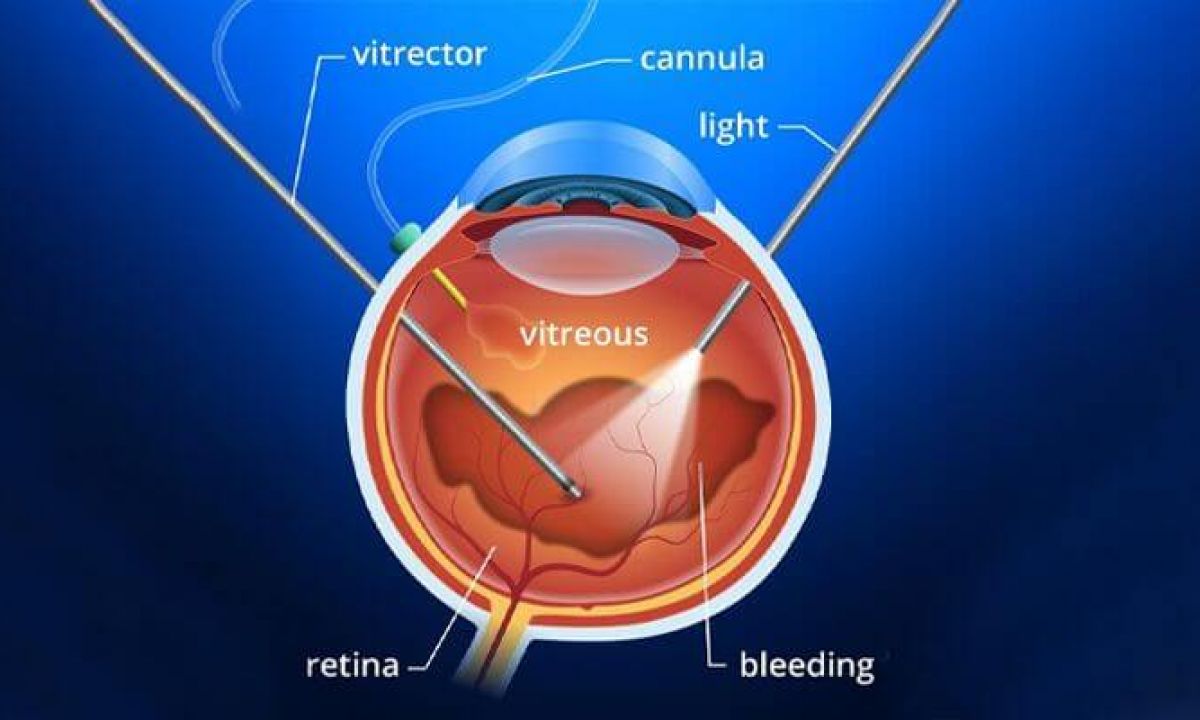
Imagine waking up to find a blurry, distorted bubble right in the center of your vision. For those diagnosed with Central Serous Chorioretinopathy (CSCR), this frustrating scenario is a reality. CSCR occurs when fluid builds up underneath the retina, causing temporary or sometimes prolonged visual impairment.
Because it often resolves on its own, a cloud of misinformation has formed around how to manage it. Let’s clear the air and debunk the most common myths surrounding treatment for central serous chorioretinopathy so you can protect your vision with facts, not fiction.
Myth 1: The Only Real Treatment is Waiting It Out
It is true that many acute cases of CSCR resolve spontaneously within three to six months. Because of this, a common misconception is that “watchful waiting” is the only valid approach. However, ignoring the condition entirely can be a risky gamble.
For individuals with chronic or recurrent flare-ups, leaving the fluid unchecked can lead to permanent damage to the retinal cells. Modern central serous chorioretinopathy treatment options have evolved significantly, offering active interventions for patients who do not heal on their own or who rely heavily on pristine vision for their livelihoods.
Myth 2: Standard Laser Therapy is Always the Best Choice
When people hear that a laser can fix a retinal issue, they often assume it is the gold standard for every situation. Traditional thermal laser photocoagulation can be highly effective at sealing the fluid leaks, but it comes with a major catch: it leaves a small permanent scar.
If the leak is located directly under the fovea—the very center of your sharp vision—traditional laser therapy is usually off the table. Instead, advanced central serous chorioretinopathy treatment methods like Photodynamic Therapy (PDT) or micropulse laser therapy are utilized. These targeted options treat the leaking vessels without destroying the overlying retinal tissue.
Myth 3: Over-the-Counter Eye Drops Can Cure It
We live in an era where there seems to be an eye drop for everything, from redness to dry eyes. Unfortunately, no over-the-counter or standard prescription lubricating drop will reach the subretinal space to drain the fluid caused by CSCR.
Important Note: Believing that simple eye drops can cure this condition often delays proper medical evaluation. True central serous chorioretinopathy treatment requires addressing the underlying choroidal blood vessel leakage, which is something standard eye drops simply cannot achieve.
Myth 4: Steroids Will Help Reduce the Retinal Swelling
This is perhaps the most dangerous myth of all. Because steroids are powerful anti-inflammatory agents used to treat various eye conditions, it seems logical that they would help reduce swelling in the retina. In the case of CSCR, steroids do the exact opposite.
In fact, systemic, topical, or inhaled corticosteroid use is one of the primary triggers for developing or worsening the condition. A critical step in any successful central serous chorioretinopathy treatment plan is identifying and tapering off any existing steroid medications under a doctor’s supervision, rather than introducing them.
Myth 5: Stress Management Alone Will Fix Your Vision
There is a well-documented link between high stress, “Type A” personalities, elevated cortisol levels, and CSCR outbreaks. Because lifestyle factors play a major role, some patients mistakenly believe that yoga, meditation, or taking a vacation is all the therapy they need.
While reducing stress and improving sleep hygiene are fantastic lifestyle adjustments that support recovery, they should complement medical care, not replace it. Relying solely on relaxation techniques without monitoring the physical state of your retina can allow underlying chronic changes to quietly degrade your vision over time.
The Path Forward: Trusting Science Over Rumors
Navigating a vision scare can be daunting, and it is easy to fall for quick fixes or outdated advice found online. The reality of managing CSCR is nuanced, requiring a tailored approach based on the duration and severity of your specific symptoms.
If you are experiencing distorted or dim central vision, skip the internet forums and schedule an appointment with a retina specialist. By separating myths from medically sound realities, you can ensure your eyes receive the safe, effective care they deserve.