





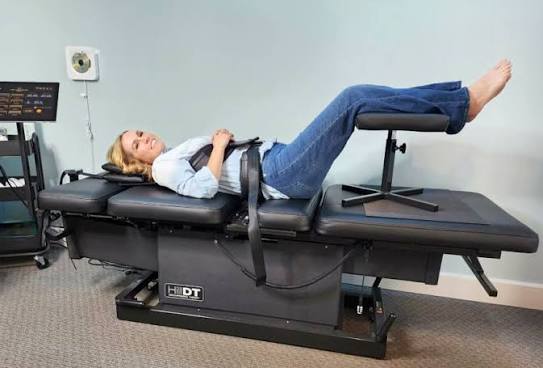
The therapy of spinal decompression can be used as an alternative to surgery on the back of individuals with disc-related back pain. The chiropractors prescribe this form of treatment in cases of certain conditions. This article will discuss situations that might warrant spinal decompression therapy in chiropractic practice. Knowledge of these indicators assists patients to make informed choices.
Conditions that lead chiropractors to recommend spinal decompression therapy
For herniated or bulging discs
One of the most common reasons for prescribing spinal decompression therapy is herniated and bulging discs. Treatment causes a building of negative pressure in the spinal discs, which helps to re-position herniated or protruded material. This has the potential to substantially decrease the amount of pain and encourage healing without surgery. These are the disc conditions that tend to respond to this therapy:
- Herniated disc problems: Arises when the inner disc substance pops out of the outer layer, which causes a lot of nerve pain and discomfort.
- Bulging disc conditions: Occurs when the disc enlarges past the normal limit without breaking the outer protective cover.
- Discogenic low back pain: This pain will be caused by damaged spinal discs and may extend to other parts of the body.
- Large disc herniations: There is even research indicating that even large herniations respond well to non-surgical decompression therapy.
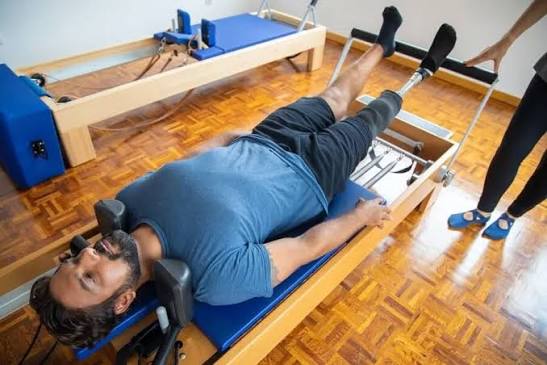
Sciatica and radiating leg pain
Another major condition, which can be referring to the necessity of spinal decompression therapy, is sciatica. This pain follows along the sciatic nerve commonly down the back of the leg. https://elledgechiropractic.com/spinal-decompression-therapy/ explains how symptoms can be relieved with the use of spinal decompression that would relieve the compression of the nerves. Symptoms that indicate that the therapy could assist include:
- Radiating leg pain: The pain that travels along the leg up to the lower back and usually lies along the direction of the sciatic nerve and is aggravated with activity.
- Numbness or tingling: This is the feeling in the legs or feet that can be due to compression of nerves and can be signs of irritation of the sciatic nerve.
- Difficulty standing: Active leg pain, which increases with activity and might even improve when the patient gets into positions that alleviate the pain.
- Sciatica symptoms: Pain, numbness, or tingling on the sciatic nerve that may extend down the back all the way to the buttock and leg.
For spinal stenosis and facet syndrome
The condition of spinal stenosis or the constriction of the spaces in the spine can be treated by the method of decompression therapy. It has also an indication of facet syndrome which involves the small joints of the spinal column which is located at the rear. These may lead to severe back and leg pain that can be alleviated with help of light traction. Stenosis- and facet-related conditions include:
- Spinal stenosis: Narrowing of spinal canal resulting in compression of the nerves that may result in painful experiences and mobility problems.
- Facet syndrome: There is pain on the small joints in the back of the vertebrae which can occasionally increase with movement.
- Compression of nerves: This is due to pressure on the nerves resulting in pain or numbness which may extend to the legs.
- Leg pain walking: Symptoms increase as a result of standing or walking and are improved by sitting or resting.
Summary
Herniated discs, sciatica, and spinal stenosis may be advised to continue with spinal decompression therapy. It involves a less invasive procedure prior to other more surgical procedures. It provides a non-surgical alternative prior to thinking of more invasive surgeries. This type of treatment can be evaluated by a chiropractor to the conditions and needs of a particular patient.