





More than only a nightly annoyance, snoring is a widespread problem that can seriously compromise sleep quality, therefore affecting the snorer as well as those around him or her. Often the target of jokes, chronic snoring can cause daily weariness and concentration problems and possibly indicate underlying medical issues. Restful nights and general well-being enhancement depend on finding a good answer. Fortunately, the market provides a wide variety of choices meant to reduce or get rid of snoring. Choosing the correct equipment to recover peaceful sleep starts with knowledge of the several kinds of anti snoring device on hand.
Knowing the Causes of Our Snoring
Understanding the underlying reason for snoring helps one to first consider remedies. Usually, snoring happens when sleep causes the mouth and nose’s airflow to partially block. Breathing through this limited airflow makes the tissues in your throat vibrate and create the well-known snoring sound. The site and kind of this blockage change from person to person, so various anti-snoring devices focus on different regions.
Mandibular Advancement Device
Among the most often suggested kinds of anti-snoring equipment is the Mandibular Advancement Device (MAD). These oral devices operate by softly moving the lower jaw forward and down. This movement prevents the tongue and soft tissues at the rear of the neck from compressing and blocking the passage of air, therefore helping to open the airway. People whose tongue falls back into the throat during sleep are frequently advised to use MADs.
Devices keeping the tongue
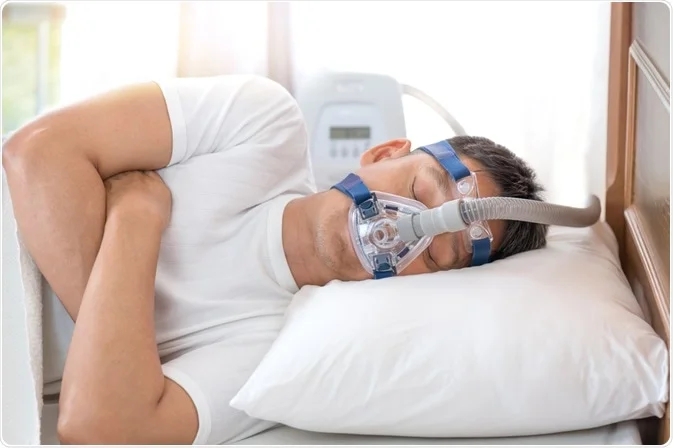
Though they operate differently, Tongue Retaining Devices (TRDs) are oral devices much like MADs. Instead of repositioning the jaw, a TRD holds the tongue in a forward position using a small suction bulb. This stops the tongue from slipping backward and obstructing the airway. For those who cannot handle MADs because of jaw concerns or a severe gag reflex, TRDs may be a suitable choice.
Nasal Dilation
Nasal dilators might help those whose snoring starts in the nasal passages. Available as external strips or internal cones/vents, these devices operate by enlarging the nostrils. This increases airflow through the nose, reducing the vibration of tissues in the nasal passages and potentially alleviating snoring caused by congestion,Narrow or collapsed nostrils, or a deviated septum.
Sleep Aids by Position
Sometimes, snoring is positional, occurring primarily when sleeping on the back. Positional sleep aids, such as special pillows or wearable devices that encourage side sleeping, can help. By keeping the individual off their back, these aids prevent the tongue from falling back and obstructing the airway.
Choosing the right anti-snoring device requires understanding the potential cause of your snoring and exploring the various solutions available. While many devices offer potential relief, it’s always advisable to consult with a healthcare professional or sleep specialist to determine the most appropriate course of action, especially if your snoring is loud, frequent, or accompanied by pauses in breathing, which could indicate a more serious condition like sleep apnea. With the right approach and the right device, a peaceful night’s sleep is within reach.